Showing posts with label World History. Show all posts

Friday, September 15, 2023

World recent past: what has changed?


1911

Life before 1910s was a time of great change and progress. The Industrial Revolution had transformed many societies, and new technologies were emerging all the time. People were generally optimistic about the future, and there was a sense of excitement and possibility in the air.

Fun and Leisure

People before 1914 had a variety of ways to have fun. Some popular activities included:

Attending sporting events: Spectator sports were very popular, especially cricket, football (soccer), and rugby.
Going to the theater: Plays and musicals were a popular form of entertainment.
Visiting museums and art galleries: Culture was important to many people, and they enjoyed visiting museums and art galleries to learn about different cultures and see works of art.
Spending time outdoors: People enjoyed spending time outdoors hiking, biking, swimming, and fishing.
Playing games: Popular games included card games, board games, and outdoor games such as croquet and tennis.
Relationships: Relationships among people before WWI were generally close-knit. 

Families were typically larger, and people lived closer to their extended families and friends. There was a strong sense of community, and people helped each other out in times of need.

Culture and Fashion

The culture and fashion was characterized by a sense of elegance and refinement. Women's fashion was particularly elaborate, with long skirts, corsets, and ornate hats. Men's fashion was also formal, with suits and ties being the norm.

Here are some specific examples of culture and costumes from before WWI:

Literature: Popular authors of the pre-war era included Charles Dickens, Oscar Wilde, and Mark Twain.
Art: Popular art styles of the pre-war era included Impressionism and Post-Impressionism.
Fashion: Women's fashion was characterized by long skirts, corsets, and ornate hats. Men's fashion was characterized by suits and ties.

Of course, life was not perfect. There was still a great deal of poverty and inequality. However, people were generally optimistic about the future, and they enjoyed life to the fullest.

It is important to note that life varied greatly depending on one's social class, gender, and race. For example, the lives of wealthy aristocrats were very different from the lives of working-class people. Additionally, women and minorities often faced discrimination and had fewer opportunities than white men.


1920s

Life in 20's  was very different from life today. Technology was less advanced, and people had to rely on each other for many things that we take for granted today. However, there were also many things that were similar about life then and now. People still loved to have fun, socialize, and express themselves through culture and fashion.

Fun and Leisure

People in 20's had a variety of ways to have fun. Some popular activities included:

Dancing: Dancing was a very popular pastime, and there were many different styles of dance to choose from, such as the Charleston, the black bottom, and the Lindy Hop.
Listening to music: Radio was a new invention at the time, and people loved to listen to music and entertainment programs on the radio.
Going to the movies: Movies were another popular form of entertainment. The first silent films were released in the early 1900s, and talkies became popular in the late 1920s.
Playing sports: Popular sports 100 years ago included baseball, football, basketball, and tennis.
Spending time outdoors: People enjoyed spending time outdoors hiking, biking, swimming, and fishing.

Relationships

Relationships among people 100 years ago were generally close-knit. Families were typically larger, and people lived closer to their extended families and friends. There was a strong sense of community, and people helped each other out in times of need.

Culture and Fashion

The culture and fashion of the 20's was characterized by a sense of freedom and optimism. The war was over, and people were eager to enjoy life. Women's fashion was particularly daring, with short skirts, bobbed hair, and flapper dresses. Popular music styles included jazz and blues.

Here are some specific examples of culture and costumes from 20's:

Literature: Popular authors of the 20's  included F. Scott Fitzgerald, Ernest Hemingway, and Virginia Woolf.
Art: Popular art styles of the 20's  included Art Deco and Cubism.
Fashion: Women's fashion was characterized by short skirts, bobbed hair, and flapper dresses. Men's fashion was characterized by suits and ties.

Of course, life in 20's was not without its challenges. However, people were generally optimistic about the future, and they enjoyed life to the fullest.

Artists 

Pablo Picasso (1881-1973) was one of the most popular artists after the WWI. He was a Spanish painter, sculptor, printmaker, ceramicist, stage designer, poet and playwright who spent most of his adult life in France. Regarded as one of the most influential artists of the 20th century, he is widely known for co-founding the Cubist movement, the invention of constructed sculpture, the co-invention of collage, and for the wide variety of styles that he helped develop and explore. Among his most famous works are the proto-Cubist Les Demoiselles d'Avignon (1907), and the Wartime masterpiece Guernica (1937). 

Another popular artist was Henri Matisse (1869-1954). He was a French artist, known for his use of color and his expressive line. He was a leading figure in the Fauvist movement, which was characterized by its use of bold, vibrant colors. Matisse was also a prolific sculptor and printmaker. Some of his most famous works include The Dance (1910), Music (1910), and The Joy of Life (1906)

Other popular artists include:

Marcel Duchamp (1887-1968)
Constantin Brâncuși (1876-1957)
Joan Miró (1893-1983)
Salvador Dalí (1904-1989)
Frida Kahlo (1907-1954)

These artists were all working in different styles, but they were all united by their desire to experiment and break new ground. Their work helped to shape the art world in the post-war era and continues to inspire artists today.

These artists are just a few of the many talented artists who worked also after the First World War, includind 

Henri Matisse (1869-1954): A leading figure in the Fauvist movement, Matisse was known for his use of color and his expressive line. He was also a prolific sculptor and printmaker.Their work helped to shape the art world in the post-war era and continues to inspire artists today.


1930s

Life in the 1930s was a time of great change and upheaval. The Great Depression had devastated the global economy, and many people were struggling to make ends meet. However, there was also a sense of resilience and optimism, as people worked together to rebuild their lives.

Fun and Leisure

People in the 1930s found a variety of ways to have fun, despite the difficult economic conditions. Some popular activities included:

Going to the movies: Movies were a popular form of entertainment, and people enjoyed seeing the latest Hollywood films.
Listening to music: Popular music genres of the 1930s included jazz, swing, and big band music.
Dancing: Dancing was also a popular pastime, and people enjoyed dancing to the latest music at clubs and dance halls.
Playing sports: Popular sports of the 1930s included baseball, basketball, football, and boxing.
Spending time outdoors: People enjoyed spending time outdoors hiking, biking, swimming, and fishing.

Relationships

Relationships among people in the 1930s were generally close-knit. Families were typically larger, and people lived closer to their extended families and friends. There was a strong sense of community, and people helped each other out in times of need.

Culture and Costumes

The culture and fashion of the 1930s was characterized by a sense of elegance and sophistication. Women's fashion was particularly feminine, with long skirts, cinched waists, and high heels. Men's fashion was also stylish, with suits and ties being the norm.

Here are some specific examples of culture and costumes from the 1930s:

Literature: Popular authors of the 1930s included John Steinbeck, Ernest Hemingway, and F. Scott Fitzgerald.
Art: Popular art styles of the 1930s included Art Deco and Surrealism.
Fashion: Women's fashion was characterized by long skirts, cinched waists, and high heels. Men's fashion was characterized by suits and ties.

Of course, life in the 1930s was not without its challenges. The Great Depression caused widespread poverty and unemployment. However, people in the 1930s were resilient and optimistic, and they found ways to enjoy life despite the difficult conditions.

It is important to note that life varied greatly depending on one's social class, race, and gender. For example, the lives of white middle-class Americans were very different from the lives of African Americans and other minorities. Additionally, women often faced discrimination and had fewer opportunities than men.


1940's


People in the 1940s found a variety of ways to have fun, despite the difficult conditions. Some popular activities included:

Going to the movies: Movies were a popular form of entertainment, and people enjoyed seeing the latest Hollywood films.
Listening to music: Popular music genres of the 1940s included swing, big band music, and boogie-woogie.
Dancing: Dancing was also a popular pastime, and people enjoyed dancing to the latest music at clubs and dance halls.
Playing sports: Popular sports of the 1940s included baseball, basketball, and football.
Spending time outdoors: People enjoyed spending time outdoors hiking, biking, swimming, and fishing.

Relationships

Relationships among people in the 1940s were generally close-knit. Families were typically larger, and people lived closer to their extended families and friends. There was a strong sense of community, and people helped each other out in times of need.

Culture and Costumes

The culture and fashion of the 1940s was characterized by a sense of patriotism and simplicity. Women's fashion was practical and stylish, with belted waists and A-line skirts. Men's fashion was also practical, with suits and ties being the norm.

Here are some specific examples of culture and costumes from the 1940s:

Literature: Popular authors of the 1940s included Ernest Hemingway, John Steinbeck, and William Faulkner.
Art: Popular art styles of the 1940s included Realism and Abstract Expressionism.
Fashion: Women's fashion was characterized by belted waists and A-line skirts. Men's fashion was characterized by suits and ties.

Of course, life in the 1940s was not without its challenges. World War II caused widespread death and destruction, and it had a profound impact on people's lives. However, people in the 1940s were resilient and optimistic, and they found ways to enjoy life despite the difficult conditions.

It is important to note that life varied greatly depending on one's social class, race, and gender. For example, the lives of white middle-class Americans were very different from the lives of African Americans and other minorities. Additionally, women often faced discrimination and had fewer opportunities than men.


Life 

Life was a time of great change and upheaval. There was also a sense of hope and optimism for the future. People were generally optimistic about the future, and they enjoyed life to the fullest.

It is important to note that life varied greatly depending on one's social class, gender, and race. For example, the lives of white middle-class Americans were very different from the lives of African Americans and other minorities. Additionally, women often faced discrimination and had fewer opportunities than men.

Fun and Leisure

People had a variety of ways to have fun. Some popular activities included:

Going to the movies: Movies were a very popular form of entertainment, and people loved to see the latest Hollywood films.
Listening to music: Popular music genres of the post-war era included swing, rock and roll, and doo-wop.
Dancing: Dancing was also a popular pastime, and people enjoyed dancing to the latest music.
Playing sports: Popular sports after WWII included baseball, football, basketball, and tennis.
Spending time outdoors: People enjoyed spending time outdoors hiking, biking, swimming, and fishing.

Relationships

Relationships among people were generally close-knit. Families were typically larger, and people lived closer to their extended families and friends. There was a strong sense of community, and people helped each other out in times of need.

Culture and Fashion

The culture and fashion was characterized by a sense of optimism and possibility. People were eager to put the war behind them and start building a new future. Women's fashion was particularly feminine, with full skirts, cinched waists, and high heels. Men's fashion was also stylish, with suits and ties being the norm.

Here are some specific examples of culture and costumes from after World War II:

Literature: Popular authors of the post-war era included J.D. Salinger, Jack Kerouac, and Arthur Miller.
Art: Popular art styles of the post-war era included Abstract Expressionism and Pop Art.
Fashion: Women's fashion was characterized by full skirts, cinched waists, and high heels. Men's fashion was characterized by suits and ties.


1950s

Life in the 1950s was a time of great prosperity and optimism in the United States. The economy was booming, and the baby boom generation was coming of age. People start building a new future.

Fun and Leisure

People in the 1950s had a variety of ways to have fun. Some popular activities included:

Going to the movies: Movies were a popular form of entertainment, and people enjoyed seeing the latest Hollywood films.
Watching television: Television was becoming increasingly popular in the 1950s, and people enjoyed watching classic sitcoms like I Love Lucy and The Honeymooners.
Listening to music: Popular music genres of the 1950s included rock and roll, doo-wop, and rhythm and blues.
Dancing: Dancing was also a popular pastime, and people enjoyed dancing to the latest music at sock hops and drive-in theaters.
Playing sports: Popular sports of the 1950s included baseball, football, basketball, and bowling.
Spending time outdoors: People enjoyed spending time outdoors hiking, biking, swimming, and fishing.

Relationships

Relationships among people in the 1950s were generally close-knit. Families were typically larger, and people lived closer to their extended families and friends. There was a strong sense of community, and people helped each other out in times of need.

Culture and Costumes

The culture and fashion of the 1950s was characterized by a sense of conformity and optimism. Women's fashion was particularly feminine, with full skirts, cinched waists, and high heels. Men's fashion was also stylish, with suits and ties being the norm.

Here are some specific examples of culture and costumes from the 1950s:

Literature: Popular authors of the 1950s included J.D. Salinger, Jack Kerouac, and Arthur Miller.
Art: Popular art styles of the 1950s included Abstract Expressionism and Pop Art.
Fashion: Women's fashion was characterized by full skirts, cinched waists, and high heels. Men's fashion was characterized by suits and ties.

Of course, life in the 1950s was not without its challenges. The Cold War was a major source of tension and anxiety. Additionally, African Americans and other minorities faced discrimination and segregation. However, people in the 1950s were generally optimistic about the future, and they enjoyed life to the fullest.

It is important to note that life varied greatly depending on one's social class, race, and gender. For example, the lives of white middle-class Americans were very different from the lives of African Americans and other minorities. Additionally, women often faced discrimination and had fewer opportunities than men.


1960's

Life in the 1960s was a time of great change and upheaval. Of course, life in the 1960s was not without its challenges. However, the 1960s was also a time of great creativity and innovation, and it saw many advances in music, art, and technology.

Fun and Leisure

People in the 1960s had a variety of ways to have fun. Some popular activities included:

Going to the movies: Movies were a popular form of entertainment, and people enjoyed seeing the latest Hollywood films, as well as foreign films and independent films.
Listening to music: Popular music genres of the 1960s included rock and roll, soul, and folk music. People enjoyed listening to music on the radio, at concerts, and at home.
Dancing: Dancing was also a popular pastime, and people enjoyed dancing to the latest music at clubs, discos, and concerts.
Playing sports: Popular sports of the 1960s included baseball, football, basketball, and tennis. People enjoyed playing sports both recreationally and competitively.
Spending time outdoors: People enjoyed spending time outdoors hiking, biking, swimming, and fishing. They also enjoyed camping and road trips.

Relationships

Relationships among people in the 1960s were generally close-knit. Families were typically larger, and people lived closer to their extended families and friends. There was a strong sense of community, and people helped each other out in times of need.

However, the 1960s also saw a change in attitudes towards relationships. People were becoming more open-minded and less traditional. This led to an increase in cohabitation, interracial marriage, and divorce.

Culture and Costumes

The culture and fashion of the 1960s was characterized by a sense of rebellion and individuality. Women's fashion was particularly diverse, with styles ranging from miniskirts and bell-bottom pants to hippie dresses and peasant blouses. Men's fashion was also diverse, with styles ranging from suits and ties to jeans and t-shirts.

Here are some specific examples of culture and costumes from the 1960s:

Literature: Popular authors of the 1960s included J.D. Salinger, Jack Kerouac, and Harper Lee.
Art: Popular art styles of the 1960s included Pop Art, Op Art, and Minimalism.
Fashion: Women's fashion ranged from miniskirts and bell-bottom pants to hippie dresses and peasant blouses. Men's fashion ranged from suits and ties to jeans and t-shirts.


Pop Art: Andy Wharol
Andy Warhol was born Andrew Warhola on August 6, 1928, in Pittsburgh, Pennsylvania. He was the fourth child of Ondrej Warhola (Americanized as Andrew Warhola Sr.; 1889–1942) and Julia (née Zavacká, 1891–1972), whose first child was born in their homeland of Austria-Hungary and died before their move to the US.
He was a product of his time. Warhol grew up in the post-war era, a time of great change and upheaval. The world was becoming increasingly commercialized and consumerist, and Warhol's art reflected this. He used popular culture imagery and mass-production techniques to create his work, blurring the lines between high art and low art.
He was a pioneer of Pop Art. Warhol is considered to be one of the founders of Pop Art, a movement that emerged in the 1960s. Pop artists challenged traditional notions of art by using everyday imagery and objects in their work. Warhol's iconic images of soup cans, Marilyn Monroe, and Campbell's Soup helped to define the Pop Art movement.
He was a celebrity artist. Warhol was one of the first artists to be as famous as his work. He was a fixture of the New York social scene, and his Factory studio was a magnet for celebrities and artists alike. Warhol's celebrity status helped to make his art more accessible to the public.
In addition to these general ways in which Warhol fit into the past world, his art also addressed specific issues and trends of the time. For example, his paintings of race riots and the Vietnam War reflected the social and political turmoil of the 1960s. His portraits of celebrities and consumer goods explored the rise of celebrity culture and mass consumerism.
Warhol's art was both a product of its time and a challenge to it. He reflected the world around him, but he also held it up to a mirror and forced people to see it in new ways. His work continues to be relevant today, and he is considered to be one of the most important artists of the 20th century.

It is important to note that life varied greatly depending on one's social class, race, and gender. For example, the lives of white middle-class Americans were very different from the lives of African Americans and other minorities. Additionally, women often faced discrimination and had fewer opportunities than men.

1970s

Life in the 1970s was a time of great change and upheaval. The Vietnam War, the Watergate scandal, and the oil crisis all had a profound impact on society. However, the 1970s was also a time of great cultural and technological innovation. It was a time when people were questioning the status quo and exploring new ways of living.

It is important to note that life varied greatly depending on one's social class, race, and gender. For example, the lives of white middle-class Americans were very different from the lives of African Americans and other minorities. Additionally, women often faced discrimination and had fewer opportunities than men.

Fun and Leisure

People in the 1970s had a variety of ways to have fun. Some popular activities included:

Going to the movies: Movies were a popular form of entertainment, and people enjoyed seeing the latest Hollywood films, as well as foreign films and independent films.
Listening to music: Popular music genres of the 1970s included disco, rock and roll, and funk. People enjoyed listening to music on the radio, at concerts, and at home.
Dancing: Dancing was also a popular pastime, and people enjoyed dancing to the latest music at clubs, discos, and concerts.
Playing sports: Popular sports of the 1970s included baseball, football, basketball, and tennis. People enjoyed playing sports both recreationally and competitively.
Spending time outdoors: People enjoyed spending time outdoors hiking, biking, swimming, and fishing. They also enjoyed camping and road trips.

Relationships

Relationships among people in the 1970s were generally close-knit. Families were typically larger, and people lived closer to their extended families and friends. There was a strong sense of community, and people helped each other out in times of need.

However, the 1970s also saw a change in attitudes towards relationships. People were becoming more open-minded and less traditional. This led to an increase in cohabitation, interracial marriage, and divorce.

Culture and Costumes

The culture and fashion of the 1970s was characterized by a sense of individualism and experimentation. Women's fashion was particularly diverse, with styles ranging from platform shoes and bell-bottom pants to disco dresses and halter tops. Men's fashion was also diverse, with styles ranging from suits and ties to jeans and t-shirts.

Here are some specific examples of culture and costumes from the 1970s:

Literature: Popular authors of the 1970s included Stephen King, John Irving, and Toni Morrison.
Art: Popular art styles of the 1970s included Photorealism, Hyperrealism, and Minimalism.
Fashion: Women's fashion ranged from platform shoes and bell-bottom pants to disco dresses and halter tops. Men's fashion ranged from suits and ties to jeans and t-shirts.


1980s

Life in the 1980s was a time of great change and prosperity. The Cold War was winding down, the economy was booming, and technology was advancing rapidly. People in the 1980s were optimistic about the future and enjoyed a wide range of leisure activities.

Fun and Leisure

People in the 1980s had a variety of ways to have fun. Some popular activities included:

Going to the movies: Movies were a popular form of entertainment, and people enjoyed seeing the latest Hollywood blockbusters, as well as independent films and foreign films.
Listening to music: Popular music genres of the 1980s included pop, rock, hip hop, and electronic music. People enjoyed listening to music on the radio, at concerts, and at home.
Dancing: Dancing was also a popular pastime, and people enjoyed dancing to the latest music at clubs, discos, and concerts.
Playing sports: Popular sports of the 1980s included baseball, football, basketball, and hockey. People enjoyed playing sports both recreationally and competitively.
Spending time outdoors: People enjoyed spending time outdoors hiking, biking, swimming, and fishing. They also enjoyed camping and road trips.

Relationships

Relationships among people in the 1980s were generally close-knit. Families were typically larger, and people lived closer to their extended families and friends. There was a strong sense of community, and people helped each other out in times of need.

However, the 1980s also saw a change in attitudes towards relationships. People were becoming more open-minded and less traditional. This led to an increase in cohabitation, interracial marriage, and divorce.

Culture and Costumes

The culture and fashion of the 1980s was characterized by a sense of individualism and expression. Women's fashion was particularly diverse, with styles ranging from big hair and neon colors to power suits and shoulder pads. Men's fashion was also diverse, with styles ranging from suits and ties to jeans and t-shirts.

Here are some specific examples of culture and costumes from the 1980s:

Literature: Popular authors of the 1980s included Stephen King, Tom Clancy, and Danielle Steel.
Art: Popular art styles of the 1980s included Neo-Expressionism, Graffiti Art, and Pop Art.
Fashion: Women's fashion ranged from big hair and neon colors to power suits and shoulder pads. Men's fashion ranged from suits and ties to jeans and t-shirts.

Of course, life in the 1980s was not without its challenges. The AIDS epidemic, the Iran-Contra scandal, and the economic recession all had a negative impact on society. However, the 1980s was also a time of great change and innovation. It was a time when people were pushing the boundaries and exploring new ways of living.

It is important to note that life varied greatly depending on one's social class, race, and gender. For example, the lives of white middle-class Americans were very different from the lives of African Americans and other minorities. Additionally, women often faced discrimination and had fewer opportunities than men.

1990s

Life in the 1990s was a time of great change and technological advancement. The Berlin Wall fell in 1989, marking the end of the Cold War. The internet and the World Wide Web were becoming increasingly popular, and the dot-com bubble was about to burst. People in the 1990s were generally optimistic about the future and enjoyed a wide range of leisure activities.

Fun and Leisure

People in the 1990s had a variety of ways to have fun. Some popular activities included:

Going to the movies: Movies were still a popular form of entertainment, and people enjoyed seeing the latest Hollywood blockbusters, as well as independent films and foreign films.
Listening to music: Popular music genres of the 1990s included grunge, hip hop, and alternative rock. People enjoyed listening to music on the radio, at concerts, and at home.
Playing video games: Video games were becoming increasingly popular in the 1990s, and people enjoyed playing them on consoles such as the Super Nintendo and the Sega Genesis.
Spending time outdoors: People still enjoyed spending time outdoors hiking, biking, swimming, and fishing. They also enjoyed camping and road trips.
Relationships

Relationships among people in the 1990s were generally close-knit. Families were typically larger, and people lived closer to their extended families and friends. There was a strong sense of community, and people helped each other out in times of need.

However, the 1990s also saw a continuation of the trend towards more open-minded and less traditional attitudes towards relationships. This led to an increase in cohabitation, interracial marriage, and divorce.

Culture and Costumes

The culture and fashion of the 1990s was characterized by a sense of diversity and individualism. Women's fashion was particularly diverse, with styles ranging from grunge to hip hop to preppy. Men's fashion was also diverse, with styles ranging from suits and ties to jeans and t-shirts.

Here are some specific examples of culture and costumes from the 1990s:

Literature: Popular authors of the 1990s included J.K. Rowling, Stephen King, and John Grisham.
Art: Popular art styles of the 1990s included Pop Art, Graffiti Art, and Neo-Geo.
Fashion: Women's fashion ranged from grunge to hip hop to preppy. Men's fashion ranged from suits and ties to jeans and t-shirts.

Of course, life in the 1990s was not without its challenges. The AIDS epidemic was still a major problem, and the 1992 Los Angeles riots and the 1995 Oklahoma City bombing were both traumatic events. However, the 1990s was also a time of great progress and innovation. It was a time when people were embracing new technologies and exploring new ways of living.

It is important to note that life varied greatly depending on one's social class, race, and gender. For example, the lives of white middle-class Americans were very different from the lives of African Americans and other minorities. Additionally, women often faced discrimination and had fewer opportunities than men.

2000s

Life in the 2000s was a time of great technological advancement and social change. The internet became ubiquitous, and social media platforms like Facebook and Twitter emerged. The 9/11 terrorist attacks had a profound impact on society, and the wars in Iraq and Afghanistan dragged on. People in the 2000s were generally optimistic about the future, but there was also a sense of anxiety and uncertainty.

Fun and Leisure

People in the 2000s had a variety of ways to have fun. Some popular activities included:

Going to the movies: Movies were still a popular form of entertainment, and people enjoyed seeing the latest Hollywood blockbusters, as well as independent films and foreign films.
Listening to music: Popular music genres of the 2000s included pop, rock, hip hop, and electronic music. People enjoyed listening to music on the radio, at concerts, and at home.
Playing video games: Video games became even more popular in the 2000s, and people enjoyed playing them on consoles such as the PlayStation 2 and the Xbox.
Spending time outdoors: People still enjoyed spending time outdoors hiking, biking, swimming, and fishing. They also enjoyed camping and road trips.
Relationships

Relationships among people in the 2000s were generally close-knit. Families were typically smaller, but people still lived close to their extended families and friends. There was a strong sense of community, and people helped each other out in times of need.

However, the 2000s also saw a continuation of the trend towards more open-minded and less traditional attitudes towards relationships. This led to an increase in cohabitation, interracial marriage, and divorce.

Culture and Costumes

The culture and fashion of the 2000s was characterized by a sense of eclecticism and individuality. Women's fashion was particularly diverse, with styles ranging from low-rise jeans to cargo pants to Juicy Couture tracksuits. Men's fashion was also diverse, with styles ranging from suits and ties to jeans and t-shirts.

Here are some specific examples of culture and costumes from the 2000s:

Literature: Popular authors of the 2000s included J.K. Rowling, Stephen King, and John Grisham.
Art: Popular art styles of the 2000s included Pop Art, Graffiti Art, and Neo-Geo.
Fashion: Women's fashion ranged from low-rise jeans to cargo pants to Juicy Couture tracksuits: Men's fashion ranged from suits and ties to jeans and t-shirts.

Of course, life in the 2000s was not without its challenges. The 9/11 terrorist attacks, the wars in Iraq and Afghanistan, and the Great Recession were all major events that had a profound impact on society. However, the 2000s was also a time of great progress and innovation. It was a time when people were embracing new technologies and exploring new ways of living.

It is important to note that life varied greatly depending on one's social class, race, and gender. For example, the lives of white middle-class Americans were very different from the lives of African Americans and other minorities. Additionally, women often faced discrimination and had fewer opportunities than men.

A different time

Life since the COVID-19 pandemic began in 2019 has been significantly different from what it was before. The pandemic has caused widespread disruption to people's lives, including changes to work, school, and social activities.

Work: Many people have been forced to work from home, which has led to challenges in communication and collaboration. Others have lost their jobs or had their hours reduced.
School: Schools have been closed for long periods of time, and students have had to learn online. This has been difficult for many students, especially those who do not have access to reliable internet or computers.
Social activities: People have been less able to socialize in person, and many social events have been canceled or postponed. This has led to feelings of isolation and loneliness for many people.

The pandemic has also had a significant impact on the economy. Businesses have closed, and unemployment has risen. This has led to financial hardship for many people.

The pandemic has also had a negative impact on mental health. People have been more stressed, anxious, and depressed. There has also been an increase in domestic violence and child abuse.

Despite the challenges, there have also been some positive developments during the pandemic. People have come together to help each other, and there has been a renewed appreciation for the importance of community. There has also been an increase in innovation, as people have found new ways to work, learn, and socialize.
It is still too early to say what the long-term impact of the pandemic will be. However, it is clear that it has had a profound impact on people's lives.


Life in the pandemic time and after has been very different from what it was before. The pandemic has caused widespread disruption to people's lives, including changes to work, school, and social activities.

Fun and Leisure:

People have had to find new ways to have fun, such as playing games online, watching movies and TV shows, and spending time outdoors.
Some people have also taken up new hobbies, such as baking, cooking, or gardening.
Others have reconnected with old hobbies, such as reading or playing music.

Relationships:

Relationships among people have also been affected by the pandemic. People have had to be more intentional about staying in touch with friends and family, and they have had to find new ways to connect with each other.
There has also been an increase in virtual socializing, such as video calls and online games.
However, the pandemic has also led to isolation and loneliness for many people.

Culture and Costumes:

The pandemic has also had an impact on culture and costumes. People have been less likely to go out and about, which has led to a decline in traditional fashion trends.
Instead, people have been wearing more comfortable and casual clothes.

There has also been an increase in the popularity of online fashion trends, as people have been looking for new ways to express themselves.

The pandemic has had a profound impact on people's lives, and it is still too early to say what the long-term effects will be. However, it is clear that the pandemic has changed the way we live, work, and socialize.

Growth of the world since then

The world has grown significantly since 1900s. The global population has increased from 2.5 billion to over 8 billion people. The global economy has also grown dramatically, with the global GDP increasing from $1 trillion to over $100 trillion.

In addition to quantitative growth, the world has also seen qualitative growth in many areas. For example, literacy rates have increased from 52% in 1950 to 86% today. Life expectancy has also increased from 48 years in 1950 to 73 years today.

Of course, there are still many challenges facing the world today. Poverty, hunger, and disease remain major problems in many parts of the world. Climate change is also a major threat to the planet. However, the world has made significant progress since World War II, and there is reason to be optimistic about the future.

Here are some specific examples of how the world has grown since World War II:

Population growth: The global population has increased from 2.5 billion in 1945 to over 8 billion today. This is due to a number of factors, including advances in medicine and agriculture, as well as declining mortality rates.
Economic growth: The global economy has grown significantly since WWII. The global GDP has increased from $1 trillion in 1945 to over $100 trillion today. This is due to a number of factors, including technological innovation, globalization, and free trade.
Technological progress: The world has seen rapid technological progress since WWII. This includes the development of computers, the internet, and mobile phones. Technological progress has led to increased productivity and economic growth.
Improvements in living standards: Living standards have improved significantly since WWII. This includes improvements in education, healthcare, and nutrition. Life expectancy has also increased.
Increased global cooperation: The world has become more interconnected since WWII. This is due to globalization and the rise of international organizations such as the United Nations. Increased global cooperation has helped to promote peace and development.

There have been significant advances in population, economy, technology, living standards, and global cooperation. However, there are still many challenges facing the world today. It is important to continue working to address these challenges so that everyone can benefit from the world's growth.

Life since WWI: what has changed?

Life today is very different from life before WWI in a number of ways. Here are some of the most notable changes:

Technology: Technology has advanced rapidly since World War I. Today, people have access to computers, the internet, and mobile phones. These technologies have made it easier for people to communicate, learn, and work.
Transportation: Transportation has also improved significantly since WWI. Today, people can travel by car, plane, or train to almost anywhere in the world. This has made it easier for people to visit friends and family, and to travel for business or pleasure.
Medicine: Medicine has also advanced rapidly since World War I. Today, people have access to vaccines, antibiotics, and other medical treatments that were not available 100 years ago. This has led to a decrease in mortality and an increase in life expectancy.
Education: Education has also become more accessible since WWI. Today, most people around the world have access to at least primary education. This has led to an increase in literacy rates and a more educated population.
Globalization: The world has become more interconnected since WWI. This is due to globalization and the rise of international organizations such as the United Nations. Increased global cooperation has helped to promote peace and development.

Life today is very different from life before WWI in a number of ways. However, there are still many similarities between the two eras. People still value close relationships with their family and friends, and they still enjoy spending time with loved ones and pursuing their hobbies.


Image made by AI


Thursday, July 27, 2023

Meaning of August


Like July, this is another month name that is not a tribute to a Roman deity, but an emperor. In its origin, August was the sixth month of the year, when Numa Pompilius had not yet added the months of January and February to the year – something around the year 700 BC.

From the Latin name sextili, in the twenty-fourth year before Christ it was renamed Augustus. Thus, the Emperor Octavius ​​Augustus imitated, twenty-one years later, Julius Caesar, who gave his name to the previous month.

Emperor Octavius ​​Augustus considered that his month needed the same importance as July, as it had only twenty-nine days. To fix it, he changed the length of several months, changing a few days until August reached thirty-one days. This is why more than two thousand years later the two months have thirty-one days.

Source: August

Sunday, July 23, 2023

Alberto Santos Dumont - Father of Aviation - 150 years of his Birth 20th July


On this 20th of July, the 150th anniversary of the birth of the "Father of Aviation" was completed. In various parts of Brazil, FAB (Brazilian Air Force) pilots make displays to commemorate this day.

Full name: Alberto Santos-Dumont
Birthdate: July 20, 1873
Birthplace: Palmira, Minas Gerais, Brazil
Deathdate: July 23, 1932
Deathplace: Guarujá, São Paulo, Brazil
Santos Dumont youngOpens in a new window
viagemempauta.com.br
Santos Dumont young
Nationality: Brazilian
Occupation: Aeronaut, inventor, sportsman
Known for: Pioneering work in aviation
Awards: Legion of Honor
Significance: Santos-Dumont is widely considered to be the "Father of Brazilian Aviation". He was the first person to fly a heavier-than-air powered aircraft in Europe, and he made significant contributions to the development of both lighter-than-air and heavier-than-air aircraft.
Santos-Dumont was born into a wealthy family, and he began his engineering studies at the age of 16. However, he soon became interested in aviation, and he began experimenting with balloons and gliders. In 1906, he made his first powered flight in a biplane called the 14-bis. This flight was witnessed by a large crowd of people, and it made Santos-Dumont a celebrity overnight.

Santos-Dumont made his first powered flight on November 12, 1906, in Paris, France. He flew for 220 meters (722 feet) and stayed in the air for 21 seconds. Santos-Dumont continued to experiment with aircraft design, and he developed several new models, including the Demoiselle, which was one of the first successful ultralight aircraft. He also made several long-distance flights, including a flight from Paris to Lisbon in 1907. 

Santos-Dumont's work helped to popularize aviation, and he is credited with inspiring many other people to become aviators. He was also a pioneer in the use of aircraft for commercial purposes, and he founded the first airline in Brazil.

Superstitious, the staircase of his cozy home (now a Museum) in Petrópolis city located in the mountainous region of Rio de Janeiro, Brazil, was designed in such a way that you always start the ascent and descent with your right foot.


Santos-Dumont died in 1932 at the age of 59. He is buried in the Cemitério da Consolação in São Paulo.

Thursday, July 20, 2023

Titanic


 • Building of Titanic • Maiden voyage of Titanic • Sinking of Titanic • Aftermath and Investigations • Rediscovery and Preservation • 

It's April 10, 1912, and the largest ship ever created- the Titanic- is about to embark on its maiden voyage from Southampton, England to New York City. With over 2,200 passengers and crew on board, there was a sense of excitement and anticipation in the air. Little did anyone know, this journey would go down in history as one of the most tragic maritime disasters of all time. Fast forward to today, and the Titanic has become a cultural icon. From movies to documentaries, books to exhibitions, it seems like everyone knows about the Titanic. But why has this one ship captured the public's imagination for over a century? Perhaps it's because of the sheer scale of the disaster, or maybe it's because of the stories of heroism and sacrifice that emerged from the tragedy. Whatever the reason, there's no denying that the Titanic continues to hold a special place in our collective memory. In this blog, we'll take a deep dive into the history of the Titanic, from its construction to its sinking and beyond. We'll explore the events that led up to the disaster, examine the aftermath and investigations, and discuss the importance of the Titanic in modern times. So buckle up, grab a life jacket (just kidding), and get ready to explore the Titanic: A Journey Through History.

Building of Titanic

The construction of Titanic was an ambitious project that lasted from March 31, 1909, to April 2, 1912. The planning and designing of the ship began in 1907, and the builders employed more than 15,000 workers to bring the vision to life. The ship was made with high-quality materials and advanced technology, ensuring that it was the largest and most luxurious ship during its time. Titanic had impressive features such as a heated swimming pool, a gymnasium, and a squash court. The first-class cabins featured en-suite bathrooms and were decorated with the finest furnishings. Titanic was also equipped with a telephone system, a fire alarm, and an extensive electrical system. The ship was designed to accommodate up to 3,547 passengers and crew members, and it had 20 lifeboats that could hold 1,178 people. The construction period was not without challenges, including a shortage of skilled labor and the need to develop new technologies to build the massive ship. Despite these hurdles, Titanic was completed on time and set to embark on her maiden voyage. Overall, the planning and designing of Titanic, coupled with the advanced technology and luxurious features, cemented its place in history as a masterpiece of construction and engineering.

Maiden voyage of Titanic

The iconic Titanic began her maiden voyage from Southampton, UK, on 10 April 1912, to New York. The itinerary included stops at Cherbourg, France, and Queenstown (now Cobh), Ireland, to pick up more passengers before heading towards the Atlantic Ocean. The maiden voyage of Titanic was the talk of the town and had the most affluent people aboard, along with numerous hopeful immigrants. The ship even had a swimming pool, squash court, Turkish bath, and a dog kennel. The first-class passengers enjoyed luxurious amenities, while the second and third-class passengers had their own share of fun and frolic. But fate had other plans as the ship collided with an iceberg on the night of 14th April. The opulence of the Titanic was no longer the talk of the town. Panic and pandemonium broke loose on the ship, and lifeboats were not enough for all the passengers to escape. The demographic of passengers on board was diverse, with men, women, and children from various walks of life. From wealthy businessmen to poor immigrants searching for a better life in America, the passengers constituted a wide range of people. Events on board before the collision ranged from the ship's orchestra playing music to calm the passengers to people enjoying drinks and socializing. But when the disaster struck, passengers panicked, and the crew tried their best to handle the situation while ensuring everyone's safety.

Sinking of Titanic

Sinking of Titanic: As Titanic sailed through the calm waters of the Atlantic, no one could have predicted the inevitable collision with the iceberg that would change the course of history. As per reports, the collision occurred on the starboard side of the ship, causing damage to its hull which led to water flooding the lower decks. Panic and chaos ensued as crew members started to scramble to get the lifeboats ready. The crew and passengers showed immense bravery and resilience during the crisis. While the crew worked tirelessly to keep the ship afloat for as long as possible, passengers gathered on deck and followed the strict evacuation protocol set forth by the crew. However, there were not enough lifeboats to accommodate all, which resulted in a huge loss of life. The brave efforts of the crew saved some lives, but still could not prevent Titanic from meeting its watery grave. The evacuation process was chaotic; passengers were rushing from one end to another, trying to secure a spot on the lifeboats. Sadly, children and women were given priority and escorted to the lifeboats first. Many passengers were in deep shock, still trying to process what had happened, while others clung to the hope that their loved ones would survive. But in the end, the unthinkable had happened, and Titanic was lost forever. Looking back, the sinking of Titanic was a tragic event that should serve as a reminder of the importance of safety at sea. While technology has improved vastly since 1912, it is still important to learn from our mistakes and make sure that similar disasters never happen again.

Aftermath and Investigations

Aftermath and Investigations The sinking of Titanic left a massive impact on the public and the government. The press extensively covered the disaster, and the public demanded answers. The big question was, how could such a tragedy happen? Inquiry and investigation proceedings started right after the disaster. The American and British authorities conducted their separate enquiries to determine the cause of the sinking and to find out who was responsible for the disaster. The investigations revealed a range of issues. One significant problem was the inadequate safety measures and regulation standards in the maritime industry. Consequently, this event led to amendments in international maritime regulations that set standards for the safety of passengers and crew on all ships. The day Titanic sank became a turning point in the history of seafaring. It taught profound lessons on the importance of safety measures, proper regulations, and effective communication. Even today, the Titanic disaster continues to teach the maritime industry the importance of safety and awareness.

Rediscovery and Preservation

The discovery of the Titanic wreck was a monumental moment in history. After it sank in 1912, its final resting place was unknown for over 70 years. In 1985, oceanographer Robert Ballard and his team finally discovered the wreckage, almost 4,000 meters below the surface. The discovery sparked a renewed interest in the Titanic and its tragic story. Exploring the wreck is no easy feat. Located in deep water, the wreck is subject to extreme pressure and temperature. Additionally, the site is protected by international agreements, making it illegal to remove any artifacts from the wreck. Despite these challenges, scientists and explorers continue to study the site in an effort to learn more about the tragedy and the ship itself. Today, the wreck is in a state of decay and deterioration. The bow is completely gone, and the stern is slowly collapsing. Additionally, the site is being consumed by a group of bacteria that are eating away at the iron that holds the ship together. In the future, it's possible that the site will be completely gone within a few decades. However, preservation efforts are underway to protect the site and its artifacts. In recent years, there have been discussions of ways to preserve the wreck and its legacy for future generations. One proposal suggests that the wreck be cut and lifted to the surface, while another suggests building a protective casing around the site. Whatever the solution may be, it's clear that the Titanic wreck will continue to be a subject of admiration and curiosity for years to come.


The sinking of Titanic was a tragedy that shocked the world and gave rise to a multitude of theories and speculations. Over the years, researchers and historians have delved deep into the archives to uncover new information about the events leading up to that fateful night. Through their diligent efforts, we have gained a deeper understanding of the mistakes and oversights that played a role in the sinking.

The lessons learned from the Titanic disaster have undoubtedly contributed to significant improvements in maritime safety regulations. Today, rigorous inspections, advanced technology, and comprehensive emergency response plans are in place to ensure the safety of passengers and crew on board large vessels. The tragedy of the Titanic serves as a constant reminder of the importance of these measures and the consequences that can arise from complacency.

Moreover, the wreck site of the Titanic remains an eerie and haunting testament to the power of the sea. Located deep in the Atlantic Ocean, the remnants of the once majestic ship serve as a solemn tribute to the lives that were lost. It is a stark reminder of the dangers that lurk beneath the surface and the unpredictability of nature. Explorers and archaeologists continue to study the wreck, discovering new artifacts and insights that further enrich our understanding of that ill-fated voyage.

In conclusion, the legacy of Titanic extends far beyond its tragic end. It has become a symbol of human resilience, the pursuit of knowledge, and the importance of safety at sea. As we reflect on the lessons learned from this disaster, let us honor the memory of those who perished by striving for continuous improvement and ensuring that history does not repeat itself.


Luxury Titanic Ship Decoration

 • The Extravagant Design of the Titanic • Unforgettable Dining Experiences • Entertainment Fit for Kings and Queens • Indulgences and Luxuries Galore • The Ultimate in Outdoor Recreation • 

The luxury Titanic ship decoration, a sight to behold, a masterpiece of extravagance and opulence on the high seas. Step aboard this majestic vessel and be transported to a world of grandeur and elegance. Prepare to be amazed by the intricate design and attention to detail that went into every aspect of this floating paradise. The grand staircase, fit for royalty, beckons you to ascend its majestic steps. The rich woodwork and ornate carvings leave you in awe of the craftsmanship that went into its creation. Each step a testament to the grandeur of a bygone era. As you make your way to the luxury cabins, a feeling of comfort and indulgence washes over you. These homes away from home are adorned with plush furnishings, delicate fabrics, and breathtaking views of the endless sea. A sanctuary of relaxation amidst the hustle and bustle of ocean life. Feeling hungry? Prepare to be treated to unforgettable dining experiences. The first-class restaurant offers gourmet delights that will tantalize your taste buds. The a la carte restaurant is a haven for food enthusiasts, serving fine dining at its best. And for a taste of Paris, the Café Parisien offers a delightful culinary experience. But the luxury doesn't end there. Entertainment fit for kings and queens awaits you. The grand ballroom invites you to dance the night away, while the gentlemen's smoking room offers a haven for cigar enthusiasts. And the Titanic orchestra serenades you with sweet melodies, creating the perfect ambiance for an unforgettable evening. Indulgences and luxuries galore await you as you explore this floating palace. Pamper yourself in the Turkish bath, relax in the reading and writing room, or enjoy a cup of coffee in the Verandah Café while taking in the breathtaking views. For outdoor enthusiasts, the promenade deck offers a chance to stroll in style, while the gymnasium allows you to keep fit at sea. And for those looking to take a plunge, the swimming pool provides the perfect opportunity. In conclusion, the luxury Titanic ship decoration offers an experience like no other. Step aboard and be transported to a world of elegance and opulence. From the grand staircase to the exquisite dining experiences, every aspect of this floating paradise is designed to make you feel like royalty. So why wait? Embark on a journey of a lifetime and indulge in the luxury of the Titanic.

The Extravagant Design of the Titanic

A ship known for its tragic end, but also renowned for its extravagant design and luxurious interiors. Let's dive into the opulence that graced the high seas aboard this magnificent vessel. Picture yourself stepping aboard the Titanic, decked out in your finest attire. As you enter, you are immediately greeted by the grandeur that surrounds you. The lavishness of the ship's design is evident in every detail, from the intricate woodwork to the ornate chandeliers. One of the most iconic features of the Titanic is its Grand Staircase, fit for royalty indeed. With its sweeping curves and intricate banisters, it served as a focal point for the ship's upper class passengers. Ascending these extraordinary steps, you can't help but feel like a member of high society, even if only for a moment. Moving on from the staircase, let's explore the luxury cabins that served as a home away from home for the fortunate few. These spacious and beautifully decorated rooms offered a level of comfort and elegance that was unmatched at the time. Furnished with plush beds, lavish furniture, and even private bathrooms, these cabins were a sanctuary amidst the vastness of the ocean. Now, let's take a breather and marvel at the fact that all of this was happening on a ship. Yes, a ship! The sheer indulgence of the Titanic was simply mind-boggling. Who needs land when you have a floating palace? And speaking of indulgence, the dining experiences on board were truly unforgettable. The first-class restaurant, a mecca of gourmet delights, offered a culinary journey like no other. From succulent steaks to delectable desserts, the chefs onboard spared no expense in treating their guests to a feast fit for kings and queens. But that's not all. The a la carte restaurant provided fine dining at its best, while the Café Parisien offered a taste of Paris right on the ship. Imagine sipping on a cup of coffee while gazing out at the ocean, feeling like you're in a dream. It's moments like these that make the Titanic's dining experiences legendary. As we conclude our exploration of the extravagant design of the Titanic, we can't help but appreciate the level of detail and thought that went into creating such a floating masterpiece. From opulence on the high seas to the grand staircase and luxury cabins, the Titanic truly was a world of its own. So, next time you're on a ship, just remember - it's not the Titanic. But hey, at least you won't have to worry about any icebergs, right? Keep dreaming, my friends, and let the spirit of the Titanic's luxury live on in your imagination.

Unforgettable Dining Experiences

Unforgettable Dining Experiences Ah, dining on the Titanic...a truly unforgettable experience that made all other luxury cruises seem like child's play. The food, the ambiance, the sheer opulence of it all...it was a feast fit for kings and queens. First on our culinary journey is the First-Class Restaurant, where the elite dined on gourmet delights that would leave even the pickiest of palates satisfied. The menu featured delicacies like filet mignon, foie gras, and oysters Rockefeller. And let's not forget the impeccable service—the waitstaff treated each guest like royalty, ensuring every need was met. Just a stone's throw away, we find the A La Carte Restaurant, where fine dining reached new heights. Here, passengers could indulge in a variety of dishes prepared to perfection. From lobster thermidor to roasted quail, the menu catered to the most refined tastes. And with a selection of fine wines to accompany your meal, the A La Carte Restaurant promised an experience beyond compare. For those craving a taste of Paris, the Café Parisien was the place to be. A charming little bistro onboard the ship, it offered a delightful array of French delicacies. Picture yourself sipping a café au lait while nibbling on buttery croissants, surrounded by the elegant decor reminiscent of a Parisian café. It was a slice of France right in the middle of the Atlantic Ocean. But here's a little secret: the best part of these dining experiences wasn't just the food itself—it was the company. Picture yourself sitting at a table next to John Jacob Astor or the Unsinkable Molly Brown. The conversations were as rich as the cuisine, with stories of grand adventures and dreams that reached for the stars. The Titanic was a vessel not just for physical indulgence but for the meeting of minds and the forging of lifelong friendships. Unfortunately, we can't turn back time and experience these dining delights firsthand. But let's just say, if we ever had the chance, we'd trade in all our modern comforts for a seat at the First-Class Restaurant, the A La Carte Restaurant, or the Café Parisien. Because sometimes, indulging in a bit of nostalgia is worth it, even if it means risking getting to know an iceberg a little too personally.

Entertainment Fit for Kings and Queens

First stop, the Grand Ballroom, where dancing the night away was a must for the upper-class elite. Picture yourself twirling on a majestic floor surrounded by sparkling chandeliers and lavish decorations. The atmosphere was electric, filled with laughter and delightful melodies. The Titanic Orchestra enchanted guests with their sweet and melodious tunes, making every moment an unforgettable experience. It was a night of elegance and endless revelry. Now, let's visit the Gentlemen's Smoking Room, a haven for cigar enthusiasts. This exclusive space exuded sophistication and offered a retreat for gentlemen to indulge in their favorite pastime. Imagine a cozy atmosphere, leather armchairs, and the aroma of fine cigars wafting through the air. Here, intellectual conversations merged with the mysteries of smoke, creating a unique ambiance for relaxation and camaraderie. Speaking of the orchestra, let's not forget about their enchanting performances throughout the ship. From the Grand Staircase to the lavish dining rooms, their melodies echoed through the halls, captivating passengers from dawn to dusk. Their music elevated the whole experience, adding an extra layer of grandeur to an already extravagant journey. The entertainment aboard the Titanic was otherworldly, providing a true escape from reality. It embodied the epitome of luxury, presenting guests with unforgettable experiences at every turn. You could waltz the night away in the Grand Ballroom, enjoy fine cigars in the Gentlemen's Smoking Room, and be serenaded by the Titanic Orchestra. So, dear reader, as we continue our voyage through the opulent Titanic, remember to keep your dancing shoes at the ready, appreciate the aroma of a fine cigar, and allow the sweet melodies of the orchestra to transport you to an era of grandeur and sophistication. 


Indulgences and Luxuries Galore

The Turkish Bath. The aroma of essential oils fills the air as you soak in a marble bathtub, letting the warm water soothe your every care away. Feel the tension melt from your muscles as the steam works its magic. Next on the list is the Reading and Writing Room, a haven for intellectuals seeking respite from the bustling ship. Imagine sinking into a plush armchair, a world-class novel in hand, surrounded by the scent of fine leather and the hushed whispers of literary conversations. Here, your mind can wander to distant lands and throbbing adventures, unbound by the constraints of time. Now, let's park ourselves at the Verandah Café. Perched high above the deep blue sea, this is where relaxation meets a breathtaking view. Sip your freshly brewed coffee as you bask in the warm sunlight, feeling the gentle breeze caress your face. Take a moment to let the serenity wash over you, knowing that life doesn't get much better than this. Who needs an essay when you can experience the lavishness of the Turkish Bath, the intellectual haven of the Reading and Writing Room, and the serene escape of the Verandah Café all in one breath? Just close your eyes and transport yourself to the opulence of the Titanic, where every indulgence and luxury awaited your arrival. But hold on tight, dear reader, for there's still more to explore on this journey of grandeur. So, grab your first-class ticket and let's continue our voyage through the fascinating world of the Titanic's unforgettable amenities.

The Ultimate in Outdoor Recreation

At the Titanic's outdoor spaces, first up, we have the Promenade Deck. Picture yourself strolling along this deck, feeling the gentle sea breeze caress your face as you take in the stunning ocean views. It's like walking on a catwalk, except you're not a model – you're just an ordinary person living their best life on a lavish ship. Now, let's head to the Gymnasium. Don't worry, you won't find any crowded, sweaty gyms here. This state-of-the-art facility offers the perfect setting to keep fit at sea. Channel your inner Olympian as you work out on the latest exercise equipment. Who needs land when you can feel the burn while sailing through the open waters? And of course, what's outdoor recreation without a bit of water? The Titanic's Swimming Pool is the epitome of grandeur. Take a dip in the crystal-clear water, pretending you're in the middle of the ocean with the ship sailing smoothly beneath you. It's the perfect spot to cool off and make a splash – quite literally. So there you have it – the Promenade Deck, the Gymnasium, and the Swimming Pool, offering outdoor activities fit for the most discerning luxury seekers. From leisurely strolls to invigorating workouts and refreshing dips, the Titanic had it all. Who needs a private island when you can have a floating paradise like this?


So, the luxurious Titanic ship was a marvel of design and opulence. From the grand staircase fit for royalty to the lavish cabins that felt like a home away from home, every detail was meticulously crafted to provide a luxurious experience. The dining options were unforgettable, with a first-class restaurant serving gourmet delights, an a la carte restaurant offering fine dining at its best, and the Café Parisien providing a taste of Paris. The entertainment on board was fit for kings and queens, with a grand ballroom for dancing the night away, a gentlemen's smoking room for cigar enthusiasts, and a talented Titanic orchestra serenading the guests. Indulgences and luxuries were aplenty, with a Turkish bath for pampering, a reading and writing room for intellectuals, and the Verandah Café for relaxation with a view. Outdoor recreation was also a priority, with the promenade deck for strolling in style, a gymnasium to keep fit at sea, and a swimming pool for taking the plunge. In conclusion, the luxury Titanic ship offered an unparalleled experience of opulence and extravagance on the high seas.

"Contemporary drawing of the "Main Staircase" contained in the Olympic & Titanic promotional joint brochure, first published in 1911. No actual photos of Titanic's Grand Staircase are known to exist." (Source: Wikipedia)


Exploring the Titanic's Third Class: Life on the Ship's Lowest Decks

 • Accommodations and Amenities • Passenger Demographics • Daily Life and Routines • Challenges and Hardships • The Fatal Night • 

Titanic was the largest and most luxurious ship of its time. Sadly, on its maiden voyage from Southampton to New York, it struck an iceberg in the North Atlantic and sank on April 15th, 1912. While much has been documented about the luxurious First and Second classes, the experiences of the nearly 700 Third Class passengers have often been overlooked. This multi-class vessel had different decks, and the third-class experience was vastly different from the others. We will delve into how the Third Class passengers lived, their demographics and daily routines, as well as their hardships on board. The blog will end with their heart-wrenching experiences during the sinking and the legacy of the tragedy. So, let's dive into the deep end and explore what life was like for the Third Class passengers on the Titanic's lowest decks!

Accommodations and Amenities

The Titanic was a marvel of modern engineering, but not all passengers experienced the same luxurious travel. The third class, also known as steerage, were housed on the lower decks of the ship. Let's take a closer look at their accommodations and amenities. Accommodations and Amenities: The third class cabins were basic, containing only the bare essentials. Passengers had to bring their own bedding and there were shared bathroom facilities – which wasn't ideal considering there were up to 100 people per bathroom. But hey, at least they weren't crammed in like sardines, right? Dining was a mass production affair, with mealtimes assigned in batches. The menu was limited – think porridge, soup, and potatoes – but at least they got fed, unlike some of the first class passengers. Plus, they could bring their own food aboard, so there was always the option of a packed lunch. Entertainment was limited too, with gambling and card games being the main source of activity. Dancing was also an option, but with limited space, third class passengers had to make do with impromptu jigs in the tight confines of their sleeping quarters. Passenger Demographics, Daily Life and Routines, and Challenges and Hardships sections follow.

Passenger Demographics

We've all heard stories of the Titanic's grandeur, but few know much about the third-class passengers on board. These passengers came from all walks of life seeking new beginnings or returning home. Let's delve into the world of Titanic's third-class passengers and learn about their demographics, challenges, and routines. Passenger Demographics: The third class of the Titanic was made up of immigrants seeking a better life and emigrants returning home. They included families, couples, and single travelers, each with their own stories and reasons for traveling. Many passengers were seeking a new life in America, leaving behind poverty and persecution in their home countries. They often traveled with few belongings and limited resources, making the journey even more challenging. Other passengers were returning home after years of work or study abroad. They brought with them tales of adventure and hope for a future in their home countries. Despite their diverse reasons for traveling, many third-class passengers shared one thing in common- a lower socioeconomic background. These passengers were often traveling on tight budgets and could only afford to travel in third class. However, their financial limitations did not dampen their spirits, and they still looked forward to the new opportunities that awaited them. In fact, many of these passengers brought with them a strong sense of community and camaraderie. They would gather together to talk, play games, and sing songs, creating a sense of community amidst the challenges of life on a lower deck. Conclusion: The passengers of Titanic's third class were a diverse group with a shared spirit of hope and perseverance. Despite facing many challenges and hardships, they carried on with a sense of resilience and community that helped them navigate life on the ship's lower decks.

Daily Life and Routines

Life on the Titanic's lower decks was far from luxurious. Third class passengers were responsible for providing their own entertainment and enduring long voyages with limited amenities. Mealtimes were the most important part of the day for third class passengers. Breakfast consisted of oatmeal and porridge, while lunch and dinner were comprised of a combination of soup, meat, and vegetables. The food was basic, but filling - perfect fuel for long days of activities and sightseeing upon arrival in America. Hygiene was a major concern on the Titanic. Third class passengers shared communal lavatories and washing facilities, with access limited to specific times of day. In the evenings, these facilities became overcrowded and queues would form, making it difficult for passengers to maintain their hygiene. The situation was exacerbated by the limited water supply on the ship, which meant that some passengers would go without bathing for several days at a time. On Sundays, religious services were held in the third class dining saloon. Passengers of all faiths were welcome to attend, and these services provided an opportunity for passengers to come together and find solace in each other's company. Despite the challenges, Titanic's third class passengers made the most of their voyage. They formed new friendships, shared stories and laughter, and enjoyed the adventure of a lifetime.

Challenges and Hardships

Life on the Titanic's Third Class was not a dream, with passengers enduring many hardships. Language barriers were a significant challenge, making it difficult for passengers and crew to communicate effectively. The lack of preparation for emergencies was also apparent, with the lifeboats being primarily used by the first-class passengers. The Third Class cabins were overcrowded, with more passengers than beds, which led to understaffing and lack of proper hygiene. The dining area was also small and inadequate for the number of passengers, making it hard to accommodate everyone at mealtimes. Despite all the challenges, the passengers tried to maintain a routine, with many attending religious services and socializing with their fellow passengers. However, the sinking of the Titanic was a horrific event that left many Third Class passengers stranded and helpless. The legacy of the Titanic's Third Class lies in the lessons learned from the tragedy. It led to changes in the safety regulations for passenger ships and respect for all passengers and their rights, irrespective of their class. The Titanic's story will always be remembered for the bravery, determination, and sacrifices of all its passengers, regardless of their social status.

The Fatal Night

The Titanic's third-class passengers had already faced numerous challenges before what would become known as the fatal night. Although many of them were immigrants chasing the American dream, the lack of preparedness by the crew made their dreams turn into nightmares. Even before the collision, the third-class passengers were isolated from the rest of the ship, with less access to key areas. Crowding in their designated areas was already an issue, with families struggling to find a spot to sleep, often resorting to the floor. The events leading up to the sinking were chaotic, with a lack of clear instructions given to third-class passengers. Language barriers exacerbated the problem; many couldn't understand English, making it harder to grasp the urgency of the situation. As the bow began to sink, the situation rapidly deteriorated. Releases that could have freed the lifeboats were located out of passengers

The Titanic's Third Class left a lasting legacy on shipbuilding, sparking a wave of safety regulations. Lessons learned from the tragedy include the importance of adequate preparation, communication, and emergency equipment. Rest in peace to the departed souls.


Solar and lunar eclipse 2023

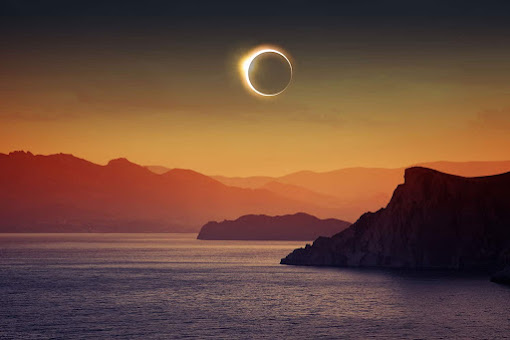
Eclipse solar / IgorZh - Shutterstock October brings two eclipses: an annular solar one on the 14th and a partial lunar one on the 28th. An...